
— The Method
How Our Process Works
Five clear stages separate the free first conversation from detailed paid planning, final pricing, and construction.
Free Project Consultation
We discuss your goals and broad expectations, review the existing space, flag major feasibility issues, and determine whether SKB and your project are a good fit.
Preliminary Project Range
Based on the consultation and visible conditions, we provide an early investment range. This helps you decide whether to move forward, but it is not a final price or a complete construction proposal.
Paid Development Plan
Once the project appears to be a good fit, this professional pre-construction service defines the scope, selections, layout, and requirements needed for final pricing and construction.
Final Scope & Proposal
With the Development Plan complete, we present the defined scope, selections, project requirements, schedule assumptions, and final construction proposal for review and approval.
Construction
A dedicated project manager coordinates trades, materials, inspections, and regular updates from demolition through installation. We finish with quality checks and a final walkthrough before project completion.
— Operational Background
Built on precision, delivered with care
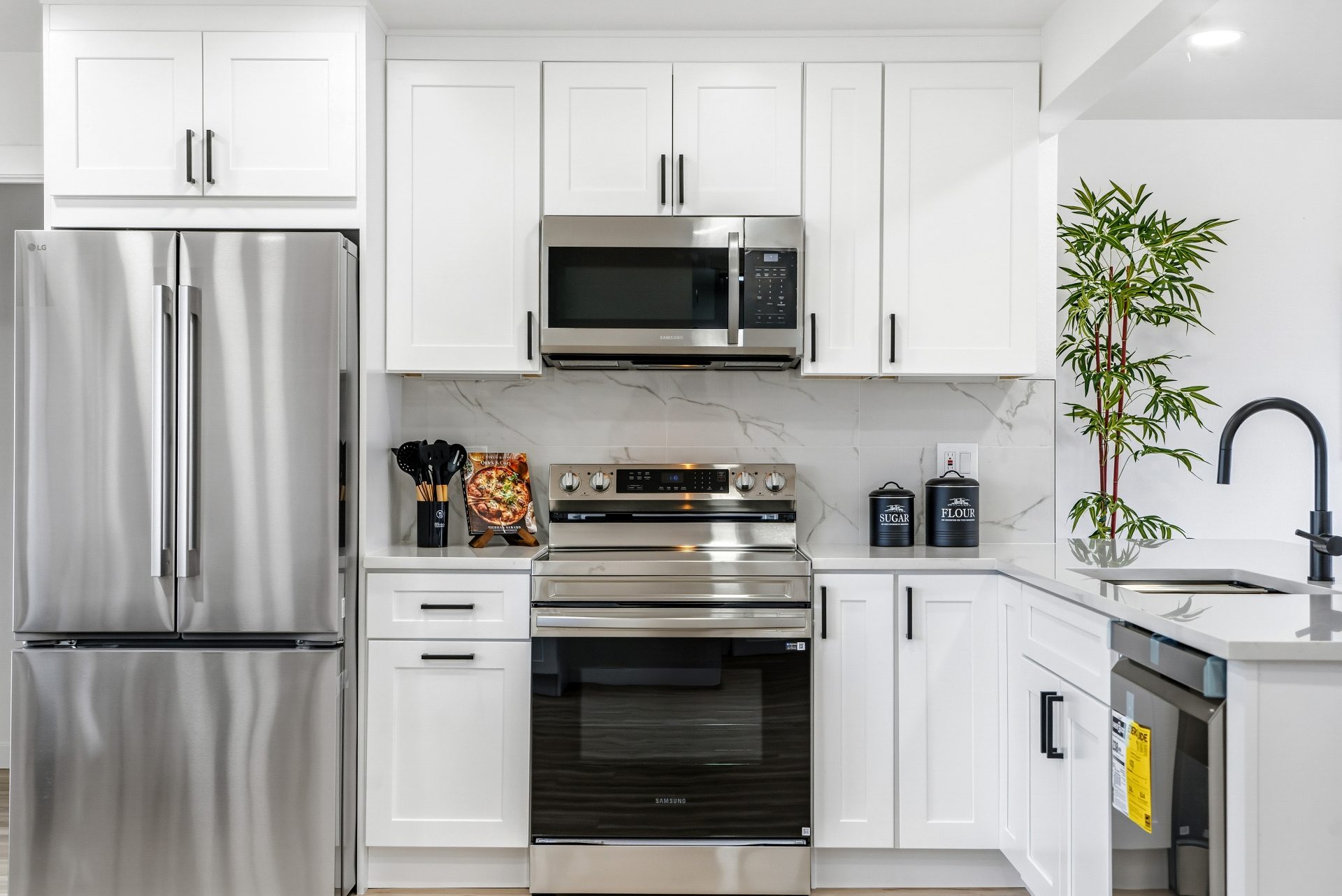
We have been operating in the Denver area since 2006, with over 50 years of combined experience focused on kitchens and bathrooms. After the free consultation and preliminary range, our paid Development Plan covers detailed measuring, finalized selections, and trade sequencing before demolition — so the people living in the home know exactly what's happening and when.
Finalized scopes are developed from measured quantities, defined selections, and task-level labor planning rather than broad allowances or rough square-foot guesses. Our goal is to define as much of the project as possible before construction begins so pricing, expectations, and responsibilities are clearer. Legitimate changes can still arise from homeowner-requested scope changes, concealed conditions, structural discoveries, or code requirements — defining the project upfront keeps those the exception, not the rule. All work is performed under appropriate licensing and full liability insurance, with in-house project managers coordinating licensed plumbers, electricians, tile setters, and carpenters from start to finish.
2006
Operating Since
50+
Years Combined Experience
— Why It Works
Why Our Approach Works
Paid Development Plan
Before construction, our paid Development Plan defines the project through detailed measuring, scope development, layouts, selections, labor and material estimating, and required drawings or renderings. It turns early ideas into a buildable plan and prepares the project for final pricing.
Defined Scope and Selections Before Demo
Through the Development Plan, cabinetry, countertops, tile, flooring, fixtures, and finishes are documented before demolition begins. Materials can be ordered on schedule, the design intent stays intact, and the final proposal reflects defined choices.
Project Management and Trade Coordination
Each project is assigned a dedicated manager who oversees scheduling, coordinates subcontractors, and monitors progress. Trades are scheduled in sequence to avoid conflicts and maintain workflow. Regular inspections ensure that work is completed according to plan and that any issues are addressed before moving to the next phase.
Quality Standards and Material Specifications
We work with established suppliers and use materials that meet industry standards for durability and performance. Cabinets are built or sourced to specification, countertops are templated and installed by certified fabricators, and tile work is performed according to TCNA guidelines. Plumbing and electrical work is completed by licensed professionals and inspected as required.
— Built for Denver
Local Considerations
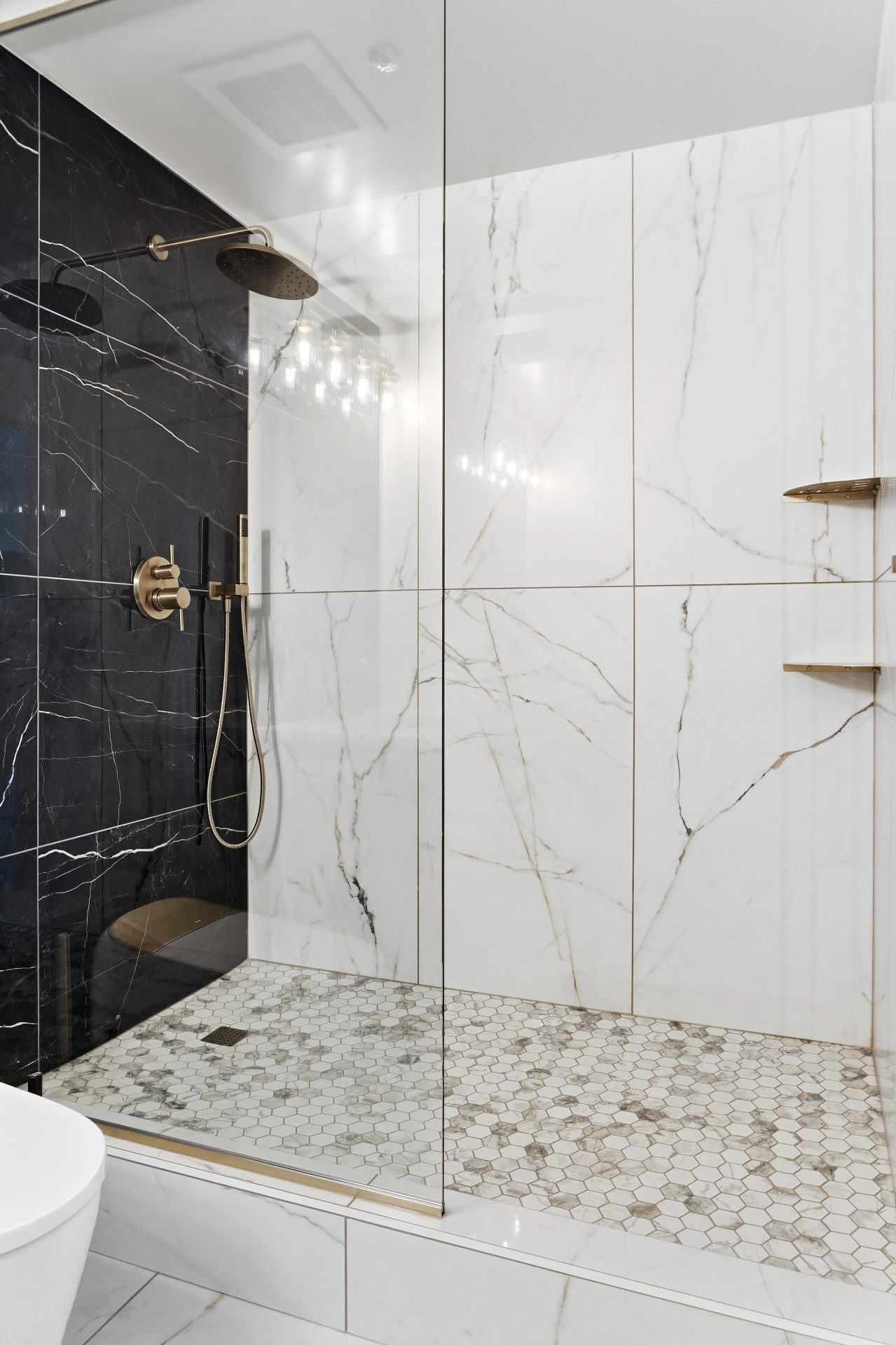
Denver's climate and housing stock influence how we approach remodeling projects. During the free consultation, we flag visible feasibility concerns in homes of different eras. The paid Development Plan then evaluates project requirements in detail and incorporates necessary structural, electrical, plumbing, or ventilation work into the scope.
Seasonal scheduling also plays a role. Winter projects may require additional attention to ventilation and heating during construction, while summer projects benefit from longer daylight hours and faster material curing times. We adjust timelines and trade schedules based on these conditions.
Homeowners in the Denver area typically prioritize functional layouts, durable materials that handle daily use, and designs that balance modern aesthetics with long-term value. Our material selections and design recommendations reflect these priorities.