Get Your Same-Day Complementary Estimates for Remodeling Today!
Accurate Remodeling Outcomes Begin With Detailed Planning
Successful remodeling projects require structured planning and technical documentation before construction begins. Our design process establishes clear project parameters, material specifications, and accurate cost projections because every selection and decision is finalized during the planning phase. This methodology reduces budget variance and timeline delays by eliminating the mid-project changes that typically extend schedules and increase costs.
Why Planning Failures Derail Projects
Most remodeling challenges originate during the planning phase. Projects that begin without complete technical drawings, finalized material selections, and verified code compliance frequently encounter costly delays when issues surface during construction. These disruptions add weeks to timelines and create budget increases that could have been avoided through proper advance planning.
Denver’s residential architecture spans multiple construction eras, each with distinct structural systems, material standards, and code requirements. Our design process accounts for these variables by documenting existing conditions before recommending modifications. This prevents the surprise discoveries that commonly occur when work begins without thorough site assessment and technical verification.
Our Design Process
Our approach prioritizes accuracy throughout the design phase. We measure existing spaces, assess structural conditions, and verify applicable code requirements before developing design recommendations. This process requires more time than basic consultation services, but it generates the precise data needed for successful project outcomes.
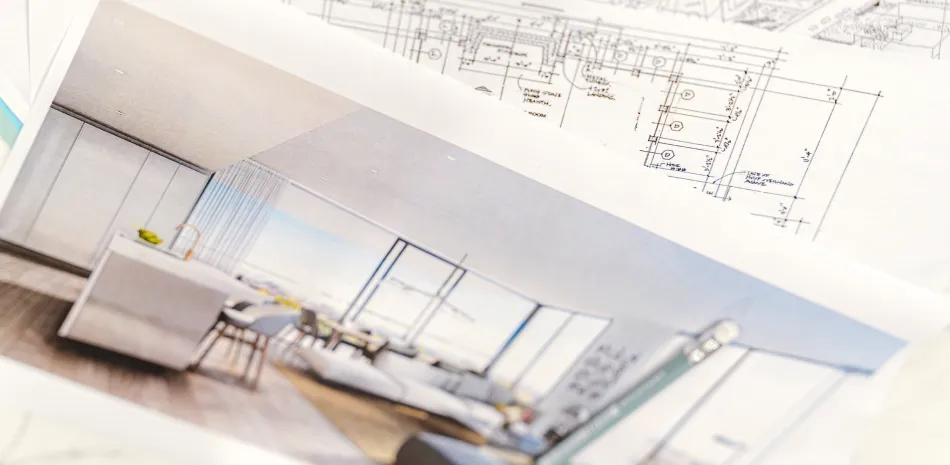
The design phase delivers three critical outputs: technical drawings for permit submission, material specifications for supplier ordering, and detailed scope documents that define contractor responsibilities. These deliverables ensure all project participants work from identical expectations and requirements.
- Site Assessment and Documentation: We measure your existing space and document current conditions through detailed photography and notes. This establishes an accurate baseline for design work and identifies potential structural, mechanical, or electrical constraints before construction planning begins.
- Functional Layout Development: Using your specific requirements and usage patterns, we develop layout alternatives that address spatial flow, storage capacity, and functional adjacencies. These concepts include scaled floor plans with fixture locations, clearance dimensions, and traffic patterns.
- Three-Dimensional Visualization: We build digital models that accurately represent how proposed designs will appear in your space. These models incorporate actual product specifications for cabinetry, countertops, tile patterns, plumbing fixtures, and lighting elements rather than generic placeholders.
- Comprehensive Material Specification: We document every material selection with manufacturer names, product series, color designations, and finish specifications. This precision eliminates ordering ambiguity and ensures installed materials match design intent.
- Code Compliance Verification: We confirm that all design elements satisfy current building codes, including structural load requirements, electrical service capacity, plumbing fixture standards, and mechanical ventilation specifications. This verification prevents plan rejections during permit review and avoids costly mid-project corrections.
- Detailed Cost Projection: Based on finalized materials and documented scope, we provide itemized cost breakdowns that reflect current material pricing and labor rates. These projections include line-item detail for each component rather than consolidated estimates that obscure individual cost factors.
How This Benefits Construction Execution
This methodology produces reliable project timelines because material selections are finalized before construction begins. Contractors can order materials, coordinate trade schedules, and plan work sequences without pausing for client decisions during active construction. This continuity reduces overall project duration because work proceeds without interruption.
Colorado’s climate conditions require specific attention to moisture control strategies, ventilation performance, and material durability characteristics. Our designs incorporate these requirements because local environmental factors directly impact long-term system performance and maintenance needs.
Our design philosophy emphasizes function and material longevity over temporary aesthetic trends. We select products based on performance specifications, maintenance requirements, and expected service life rather than short-term stylistic preferences. This creates spaces that maintain functionality and appearance over extended periods without requiring updates as design trends shift.
Design and Construction Coordination
Design documents function as coordination tools between property owners, contractors, and specialized trades. When all parties reference identical technical drawings and specifications, the communication gaps that typically cause project delays are substantially reduced.
Our process connects design decisions to construction logistics. We evaluate material delivery requirements, work staging areas, and protection measures for existing systems. Addressing these operational considerations during design rather than discovering them during construction prevents schedule disruptions and protects project timelines.
For projects involving structural modifications, we coordinate with licensed engineers to verify that proposed changes meet load-bearing requirements and safety standards. This professional collaboration occurs during design development, not after demolition reveals existing conditions.
Property owners benefit from this approach because they understand project costs, durations, and expected outcomes before authorizing construction. The design documentation provides clear benchmarks that can be referenced throughout construction to confirm work progresses according to established plans.
Frequently Asked Questions About Home Design & Planning
-
Each remodeling design consultation includes layout planning, 3D visuals, and material selection guidance tailored to your project.
-
-
No. We handle both design and construction. Our custom remodeling project approach ensures everything is aligned from concept to completion.
-
We use professional design software to create accurate 3D models and layouts, giving you a realistic preview before work begins.
-
Most home renovation planning projects take 1–3 weeks, depending on complexity. We provide clear timelines and updates throughout the process.
Schedule a site assessment to begin your remodeling project planning!
Start planning your dream home today. Schedule a free same-day estimate with Stellar Kitchen & Bath Remodeling and bring your design ideas to life.